Women’s Social and Economic Empowerment

More than half of the work done by women is unpaid and almost all of it is informal and unsafe. They have major representation in agriculture, labor, and control only 9% of land in India. Nearly half of the population does not have a bank or savings accounts for their own use and 60% of women have no valuable assets to their name. The scenario further affected their contribution in the National GDP. It is merely 17% as compared to 37% of the global average. Women dedicate 1 to 3 hours more a day to household work than men; 2 to 10 times the amount of time a day to care (for children, elderly and the sick), and 1 to 4 hours less a day to market activities. In addition, women face great physical insecurity as the rate of crimes against women has not declined yet. Thus, the socioeconomic status of women becomes challenging in real sense and it severely limits their ability to keep self out of vulnerable situations.

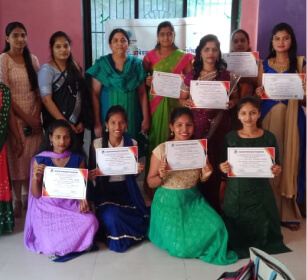
Women are empowered when they are treated as equal human beings.

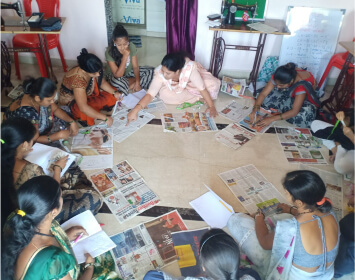
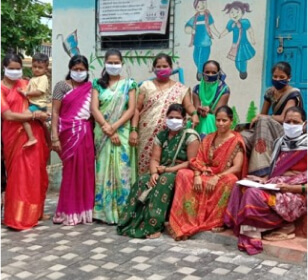
The worth of a civilized India can be judged by the status given to women in the society. Women are empowered when they are treated as equal human beings. This way they increase their right to economic resources and power to make decisions that benefits them, their families and the surrounding. The self-help groups have proven a powerful socio-economic engineering tool in the history of women’s journey of financial independence. The members of the group get an opportunity to participate in small microcredit handlings.
Based on Zalkari’s commitment to equal opportunities for all to lead a dignified life, we promote the empowerment of women and girls, and engage men and boys, to transform unequal power relations and address gender inequalities. We empower women to build better livelihoods, earn more income and create social enterprises that develop the scope for sustainability. With improved financial security, women can enhance other areas of their life.
Zalkari emphasizes its efforts on three key contours where it believes it can have the most impact – financial inclusion, entrepreneurship, and dignified work. We so put particular attention on helping people recover their livelihoods after natural disasters and humanitarian crises.
campaign-image
campaign-image
campaign-image

Empowering women is key to building a future we want

– Amartya Sen
This website uses cookies to ensure you get the best experience on our website.
Papiha-Desali

Papiha Desali

Director
Papiha is a young social entrepreneur and has done her Bachelor of Commerce. She has been a State level Volleyball player. Papiha is interested in working with elderly, and children.
Vijay Vaanju

Vijay Valanju

Chief Finance Officer and Director
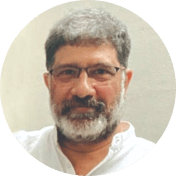
Vijay has more than 35 years of experience in development work. Vijay is an expert in designing content, and programs. He is interested in public awareness programs.
Pravin

Pravin Desali

Chief Operations Officer and Director
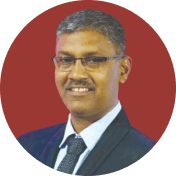
Pravin is a professional social worker, a trainer, community development and campaign expert. He has over 24 years experience in the development sector and is interested in liaising with govt., and other systems.
Sangita-Malshe

Sangita Malshe

Chief Executive Officer and Director
Sangita is a promoter of the company. Sangita has done her post graduation in Sociology and has more than 32 years of experience in the development sector.
She works on issues of rural poverty, social and gender justice and sustainability. She is interested in strengthening organic social initiatives.